by – David McPherson
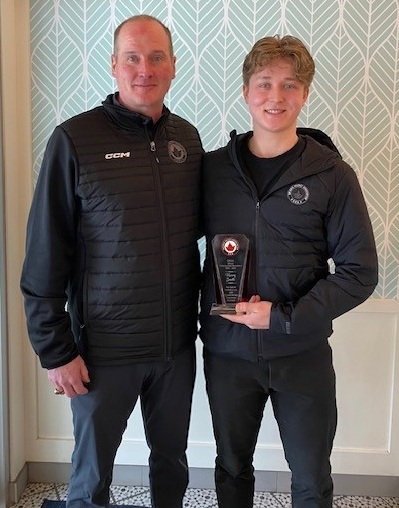
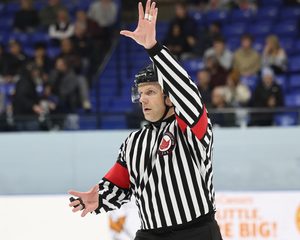
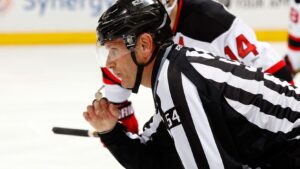
Cambridge, ON – Kevin Pollock’s father, Clarke, officiated in the OHA from the 1970s to the mid-1980s. It’s no surprise to learn Kevin followed, and later surpassed, his dad’s accomplishments on the ice. After 25 years as a National Hockey League referee—donning the black and white stripes with pride for more than 1,600 regular season and 219 playoff games—Pollock retired in 2024, and joined the OHA.
The OHA hired Kevin as Director of Officiating, a new position created as part of the overall strengthening of its officiating programs. Over the past two seasons, Pollock has worked collaboratively to enhance the training and development of referees across the province. The results of this investment are in the numbers; and, the increased talent and skill-level of the team of officials—across all five OHA leagues—is apparent.
Just a few of the OHA-trained officials that have shone on bigger stages recently include: Justine Todd and Laura Gutauskas, both part of Canada’s officiating team for the Milano-Cortina 2026 Olympics; and Chad Ingalls and Luke Pye, both assigned to work the 2026 Memorial Cup.
“I’m pretty proud of where our officials are now,” Pollock says. “Can we be better? Absolutely. Is that the challenge? 100 percent! I believe if you are happy where things are, and you don’t think things can get better, then you fail.”
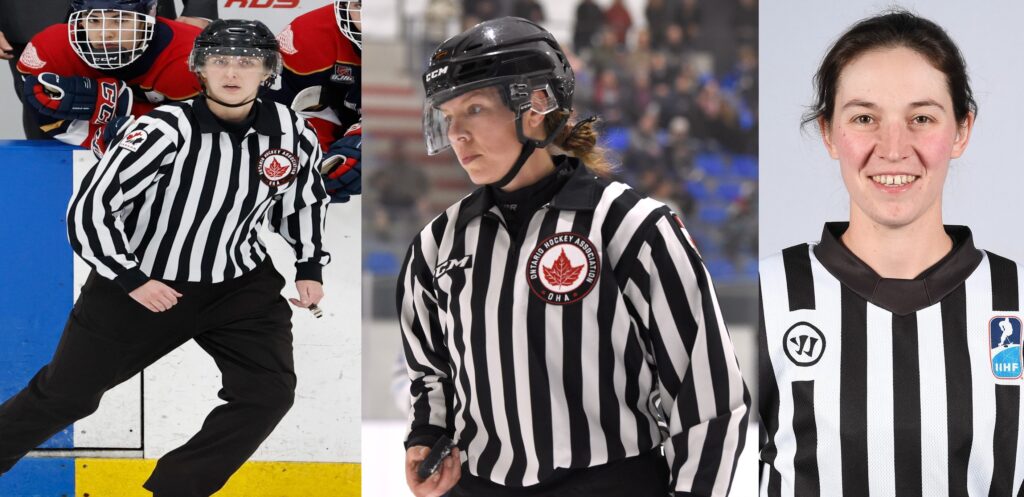
(L to R) Laura Gutauskas, Justine Todd, and Erin Zach
Taking a team approach
Using a team approach, Pollock increased the number of supervisors from 13 to more than 30, allowing for more coaching and mentorship of OHA officials at all levels.
“When I came on board, the OHA had conducted around 300 supervisions the previous season,” he says. “This past season we conducted more than 2,000! Just by getting good officiating managers out to the rinks and coaching the officials, makes the overall level of our team of officials better. The officials feel there is more attention given to them and they’re always looking for feedback and additional coaching; and, the teams like that we’re in the rinks more because they know the officials are being properly coached and looked after.”
Pollock and his team also worked to implement a standardized officiating rating card, so that no matter where in the province—or what league you were evaluating—all official managers were singing from the same song book. “That brought a whole new level of consistency to our evaluation program,” he says.
Referee recruiting
As part of this ongoing training and recruitment, last week the OHA Officiating Development Camp occurred at the University of Guelph; the camp was sold out for the second year in a row with 68 participants. Over the past two camps, 140 officials attended; the OHA hired 34 from last year’s camp and they expect to hire at least another 25 referees from this year’s Development Camp. In recent years, the OHA has outsourced these camps. Bringing this training back in-house adds to building the OHA’s brand and puts a spotlight on its importance.
“This is an unbelievable new recruiting tool for the OHA,” Kevin says. “Even for the officials that we do not select, I believe they learn essential skills and gain knowledge that they can take back to the minor leagues where they are officiating … it just makes officiating, in general, better.”
The three keys to a successful referee
As hockey, at all levels, has evolved—with the pace faster and the players more physically stronger—so too has the skillset officials require to match the modern game. Kevin says the three attributes the NHL requires of its referees are the same skills the OHA looks for when hiring: skating, fitness-level, and a good hockey IQ.
“First of all, skating is essential,” he says. “The better the skater you are, the better you can get in the areas of the ice to identify and to see the play better and ultimately make good decisions. If you’re not able to get to the area of the ice to see the play from the best sightline to make the best decision, then you are guessing, or you’re missing the call.
“Skating is a non-negotiable,” Pollock continues. “It does not even matter if you’re at the OHA level, the American League level, or the NHL level, you have to keep working on your skating. Even when I got to the NHL, there was a group of us that hired a power skating coach and did a month of on-ice training, two sessions a week, every August before the season started … no matter how good a skater you think you are, there is always somebody out there better. If you can push yourself to get even five percent better, that means you’re going to be in the right spot more of the time throughout a game to make better decisions.”
Communication is the second key attribute to becoming a successful official. “Communication has not been talked about, or taught enough,” Pollock says “You have to be a good communicator to discuss and explain your calls with players and coaches, and especially you need to communicate with your fellow officials on the ice during the game and in the dressing room between periods and after the game.”
Finally, having a good hockey sense is crucial; this means reading the game and understanding what’s going on at a broader level. “For example, if you can read who is mad at who, and why, and also understand the level of importance of each play in the game, identifying and understanding all those subtle things builds a trust from the hockey team to you and they appreciate that.”
About the Ontario Hockey Association
The Ontario Hockey Association (OHA) was founded on November 27, 1890, and is the governing body for the majority of Junior and Senior hockey in the Province of Ontario. It is comprised of three Junior hockey leagues and two Senior hockey leagues: Junior A – Ontario Junior Hockey League; Junior B – Greater Ontario Hockey League; Junior C – Provincial Junior Hockey League, Senior –Allan Cup Hockey (AAA) and Ontario Elite Hockey League (AA). For the 2025-2026 season, these five leagues encompass 132 teams. 3100 players, and about 6,000 games each hockey season. The majority of our players are 16 to 21 years of age.
The objectives of the OHA are to foster and encourage the sport of amateur hockey, to conduct competition in the various categories established, to determine teams for entry into the inter-branch competitions that may be provided by Hockey Canada, and to provide for the affiliation of other hockey organizations.
The OHA provides administrative resources, coordinates programs, services and events for hockey participants and provides support to various Development Programs for coaches, officials, trainers and players, Safety and Risk Management Issues and offers resources for Harassment and Abuse education.
-30-
For more information or to set up an interview, please contact:
Chris McCleary
General Manager
Ontario Hockey Association